Industrial Models
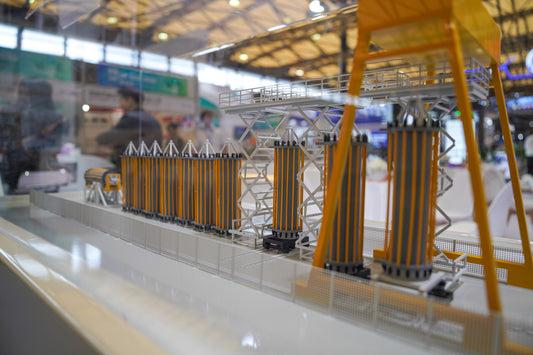
Industrial models are functional prototypes that illustrate complex machinery, manufacturing processes, or large-scale engineering projects with precise structural accuracy. They demystify advanced technology by showing how components interact and how a system operates, making the invisible visible and the complicated comprehensible.
Who Should Choose Industrial Models: An industrial model is developed for engineers, industrial designers, manufacturing companies, and R&D departments. It is essential for anyone who needs to demonstrate operational logic, test design feasibility, communicate technical concepts to non-engineers, or secure patents for innovative mechanisms.
When to Use Industrial Models: These models are used at product launch events to generate excitement, during internal training sessions for technicians, at trade shows to demonstrate technical superiority, and in patent attorney offices to provide a clear representation of an invention. They are also crucial for client presentations to win contracts for large industrial installations, and to easily communicate with potential customers how a new product works on its own or within an application scenario, thereby increasing opportunities for business cooperation.
Why You Should Choose Industrial Models: An industrial model is a risk-reduction and communication tool. It improves technical communication across different teams, helps identify design flaws early in the development process (saving time and money), and builds stakeholder confidence in the viability and innovation of a complex project.